










chiudere
chiudere
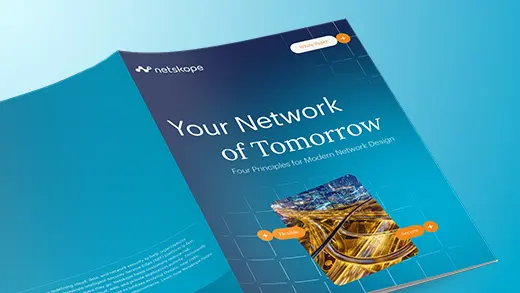
La tua rete di domani
Pianifica il tuo percorso verso una rete più veloce, sicura e resiliente, progettata per le applicazioni e gli utenti che supporti.
            Experience Netskope
            Prova direttamente la piattaforma Netskope
            Ecco la tua occasione per sperimentare in prima persona la piattaforma single-cloud di Netskope One. Iscriviti a laboratori pratici e a ritmo autonomo, unisciti a noi per dimostrazioni mensili di prodotti dal vivo, fai un test drive gratuito di Netskope Private Access o partecipa a workshop dal vivo guidati da istruttori.
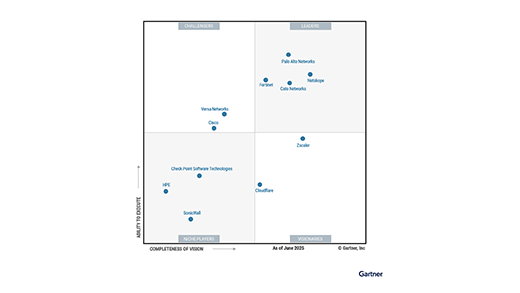
              Un leader in SSE. Ora è un leader nel settore SASE a singolo fornitore.
              Netskope è riconosciuto come Leader Più Lontano in Visione sia per le piattaforme SSE che SASE
              2 volte leader nel Quadrante Magico di Gartner® per piattaforme SASE
              Una piattaforma unificata costruita per il tuo percorso
                ""
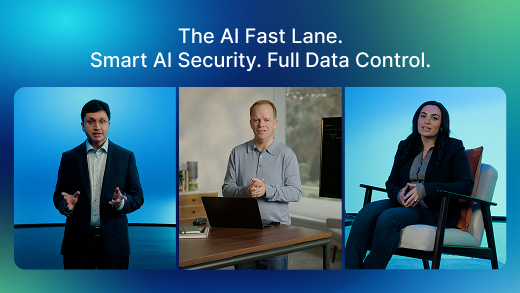
                Netskope One AI Security
                Le aziende hanno bisogno di un'IA sicura per far progredire il proprio business, ma i controlli e i 'guardrail' non devono richiedere sacrifici in termini di velocità o user experience.Netskope ti aiuta a dire di sì a tutti i vantaggi dell'AI.
                  ""
                  Netskope One AI Security
                  Le aziende hanno bisogno di un'IA sicura per far progredire il proprio business, ma i controlli e i 'guardrail' non devono richiedere sacrifici in termini di velocità o user experience.Netskope ti aiuta a dire di sì a tutti i vantaggi dell'AI.
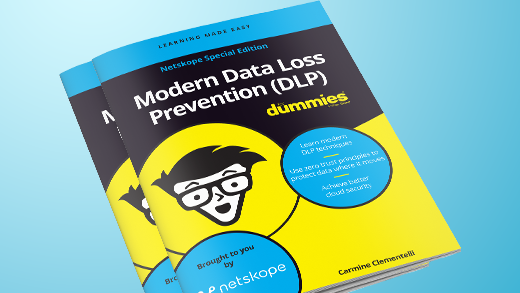
                    eBook sulla Modern Data Loss Prevention (DLP) for Dummies
                    Modern Data Loss Prevention (DLP) for Dummies
                    Ricevi consigli e trucchi per passare a un DLP fornito dal cloud.
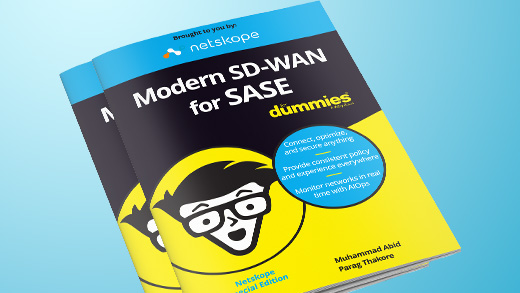
                      Modern SD-WAN for SASE Dummies Book
                      Modern SD-WAN for SASE Dummies
                      Smettila di inseguire la tua architettura di rete
                        Comprendere dove risiede il rischio
                        Advanced Analytics trasforma il modo in cui i team di operazioni di sicurezza applicano insight basati sui dati per implementare policy migliori. Con l'Advanced Analytics, puoi identificare tendenze, concentrarti sulle aree di interesse e utilizzare i dati per agire.
                            Supporto tecnico Netskope
                            Supporto tecnico Netskope
                            I nostri ingegneri di supporto qualificati sono dislocati in tutto il mondo e possiedono competenze diversificate in sicurezza cloud, networking, virtualizzazione, content delivery e sviluppo software, garantendo un'assistenza tecnica tempestiva e di qualità.
                              Video Netskope
                              Formazione Netskope
                              La formazione Netskope ti aiuterà a diventare un esperto di sicurezza cloud. Siamo qui per aiutarti a proteggere il tuo percorso di trasformazione digitale e a sfruttare al meglio le tue applicazioni cloud, web e private.

                                The EU Cyber Resilience Act — Thinking Out Implementation

                                Sep 27 2022

                                From TVs to watches, fridges, lightbulbs, or coffee machines, it seems everything needs to be connected now to be marketable. The Internet of Things (IoT) environment is growing in homes and workplaces, but it has established itself way ahead of regulation. IoT devices do not currently have to comply with any specific cybersecurity standards and malicious actors are already making use of these endpoints. Famously, a senior researcher at Avast even demonstrated in 2020 that he had successfully hacked his own coffee machine with ransomware. It’s amazing what some of us got up to in lockdown!

                                With awareness of the risk growing, it is unsurprising that this month the European Union announced plans for a Cyber Resilience Act. The legislation aims to establish cybersecurity standards and stricter conformity assessment procedures for IoT. Connected devices are often seen as organisational cybersecurity’s weakest link, and regulation will doubtless improve cyber resilience—just as regulation improved data protection standards with the GDPR.  

                                Baseline cybersecurity standards for all connected devices, and stricter conformity assessment procedures for critical products, are certainly much needed. But this proposal raises many questions, such as, will legislation cover legacy products and those already in use? And how will small manufacturers manage the expense?  

                                It is not yet known if the intention is for a simple pass/fail system, or if there will be gradings assigned to help customers understand the value of more stringent security. What is known is that the threat landscape is not static, and so static certification for devices may not be appropriate, and may cause confusion as new threats emerge and attackers’ techniques evolve.

                                If known vulnerabilities in IoTs are to be registered, consumers and companies will need to be educated so that they are able to make informed choices based on information about vulnerabilities and the risk exposure they open. Given the often low value and single use case for IoT devices, is it realistic to expect consumers to engage with potentially complex threats intelligence?

                                On the supply side, organisations will face the challenge of not only having to architect, procure, implement, and roll out an adequate technology stack; they will also need to ensure they have processes and resources in place to operate as an ongoing concern. 

                                In the past, the EU has favoured the introduction of this type of legislation in one go, with a single date for compliance (in the way it introduced the GDPR). But my suggestion would be an incremental roll-out to enable policymakers to evolve the legislation. Make sure the end goal is clear, but start with an MVP or a pilot. This allows everyone to learn—including the regulator itself—by launching in one category or looking at minimal requirements before moving on to a potentially more stratified grading system.

                                Overall, the regulation must be clear and precise on where responsibilities lie. The current proposal reads, “Obligations would be set up for economic operators, starting from manufacturers, up to distributors and importers, in relation to the placement on the market of products with digital elements, as adequate for their role and responsibilities on the supply chain.” This sentence hints at how broad the ecosystem affected will be, with complex R&D, manufacturing, and supply chain networks. In contrast to this complexity, the proposal currently calls for an “appropriate level of cybersecurity,” a very vague statement of intent which does not seem clear and concise enough not to trigger loopholes or to see stakeholders blaming each other in the future.

                                It is time that IoT devices were better regulated for cybersecurity and resilience, but the devil—as they say—will be in the detail.


                                author image
                                Ilona Simpson
                                Ilona Simpson serves as CIO EMEA. A seasoned CIO, she brings over 20 years’ experience initiating and leading the implementation of new business technology strategies.
                                Ilona Simpson serves as CIO EMEA. A seasoned CIO, she brings over 20 years’ experience initiating and leading the implementation of new business technology strategies.
                                Connettiti con Netskope

                                Iscriviti al blog di Netskope

                                Iscriviti per ricevere ogni mese una panoramica degli ultimi contenuti di Netskope direttamente nella tua casella di posta.